Driveways and parking lots around Akron and Canton. Free quotes, measured before they are quoted.
Driveways and lots sealed around Akron, crack filling included, measured before it is priced.
New asphalt, overlays, aprons, patching and pothole repair, quoted as one written price.
Same corner of the same lot. Cracked through and full of weeds, then sealed and striped.
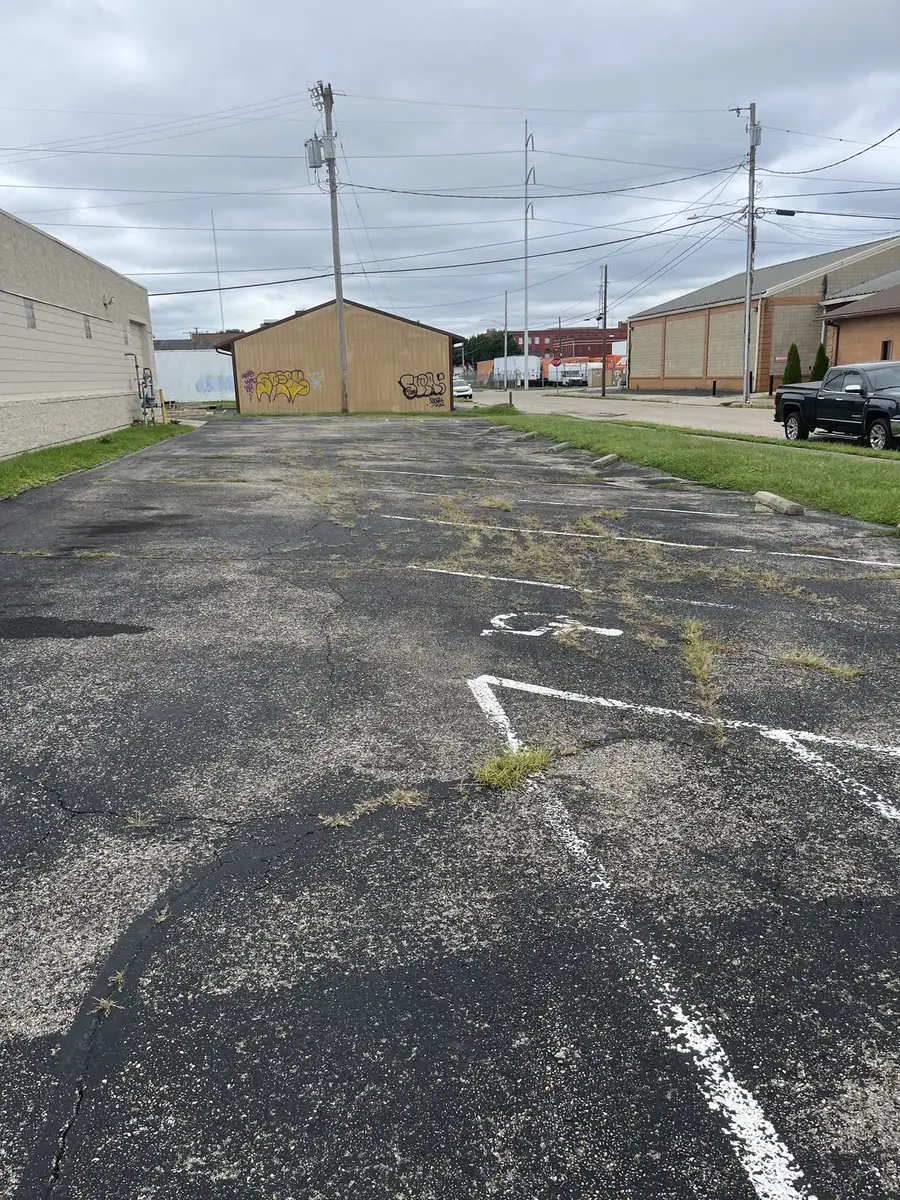
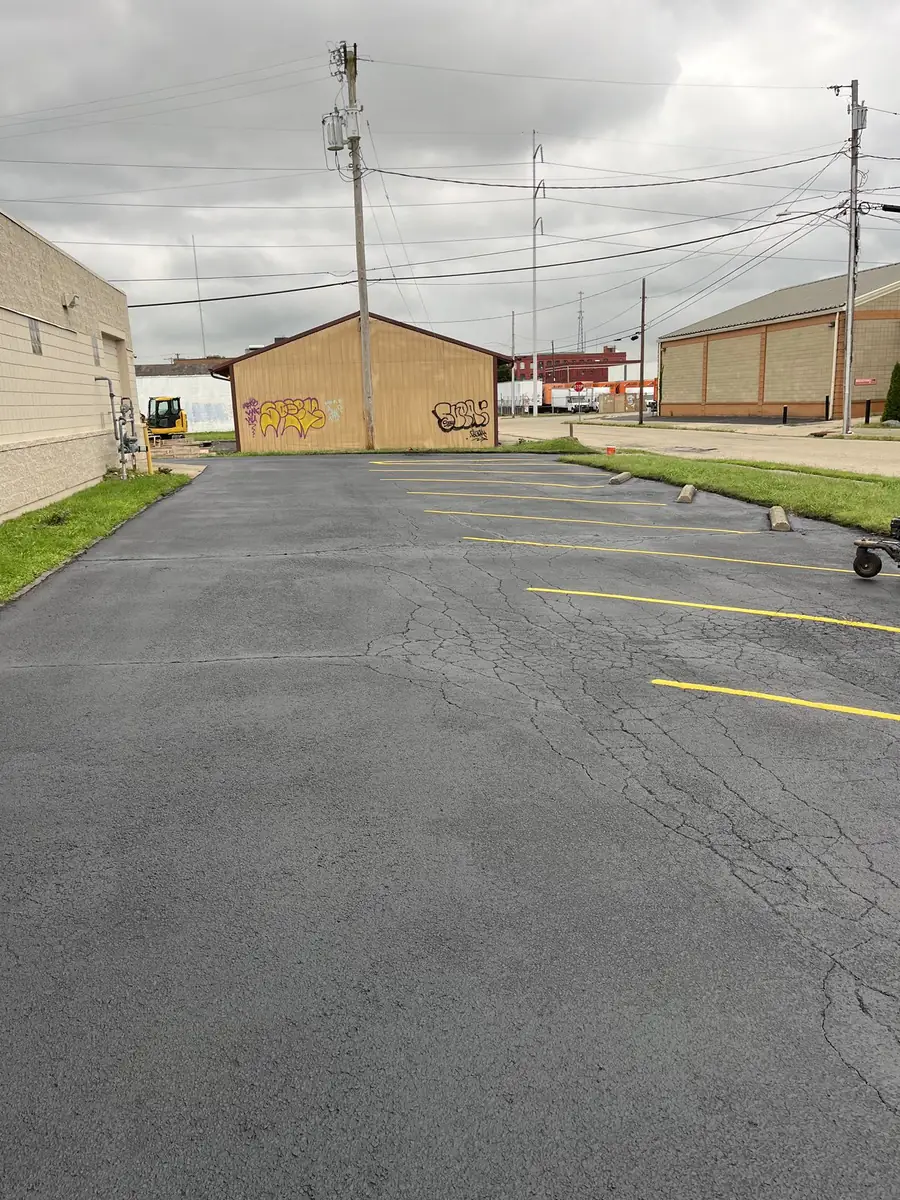
Send your address. We measure the asphalt, read its condition and note the fall on it if it slopes, then you get a real number.
Around dry weather and a temperature window that lets sealer cure overnight, which in Akron means roughly early May to mid October.
Crack fill first if needed, then one coat. Exact wait time given at booking.
Two things about that are particular to this market. Cracks get filled before anything else, inside the one price rather than as an extra, because a winter of salt opens more of them than a mild one does and on most Akron drives that is the larger half of the work. And if the drive runs down a grade, it is sealed from the bottom up so the wet edge is always being worked into, not away from. On a steep one that decides the whole running order of the day.
Akron, Summit County and about thirty miles around it, down through Canton. Not listed? Ask anyway.
Sealer is a surface coat, not a repair. The difference matters.
Sunlight breaks down the binder holding the stone together, which is what turns a black driveway grey and then brittle. A coat takes the ultraviolet instead of the asphalt. Akron summers are not the problem here, the winters are, but a surface that has already gone porous from sun is the one that lets the water in come November.
Once the surface opens up, water gets underneath. In Summit County it then freezes, expands about nine percent, and levers every crack it found a little wider, over and over from November into April. Add the salt that follows the snow, which holds moisture in the surface rather than letting it dry, and nearly every driveway failure around here starts as a water problem.
Sealer is not a repair. It will not bind a drive that is already crumbling, close a pothole, or hold together alligator cracking where the base has gone. That last one is the common ending here: enough winters of water getting under a porous surface and it is the base that fails, not the top. At that stage sealing it is money wasted and we will say so rather than take the job.
Two to three years on a residential drive in Summit County, which is at the shorter end of the national range and it should be. Forty seven inches of snow and a winter of salt is a harder service life than the number on a drum was written for. Less again on a drive in full sun, or where cars turn hard in the same spot. Sealing more often than that is not buying you anything.
It depends on the size of the driveway and the shape it is in. Send the form with your address, we measure the asphalt and read its condition, and you get an exact number back. Around here the crack filling is often a bigger share of the job than people expect, because a winter of Summit County salt opens more than a mild one does, and that crack work sits inside the one number you are given rather than being added to it. No pressure visit and no obligation.
Faded grey, water soaking in instead of beading, or fine cracking means yes. Still deep black and beading means it can wait, and we will tell you that. On a sloped drive, check the bottom end first. Water runs down and sits at the apron, so that is where it goes first and it can be a year ahead of the top.
Sealer needs sustained temperatures above 50F overnight, not just in the afternoon. Akron's last spring frost averages the first few days of May and the first autumn frost arrives mid to late October, which sets the season at roughly early May through mid-October.
24 to 48 hours depending on the weather, with an exact window given at scheduling. Late in the season it sits at the longer end, because the cure is temperature driven and October nights here are cold.
Yes, and it is done first. Sealer is roughly the thickness of a coat of paint, so it sinks into an open crack and reappears as a line rather than closing it. In a market that salts as heavily as this one, crack filling is the part of the job doing the most work.
The repair that belongs under a coat, yes. Crack filling is part of the price. A spot where the surface has broken up, or a pothole that a winter of plowing and salt has opened, gets patched before the sealer goes down, and that is inside the same price too. If the asphalt has gone past the point where a patch will hold, we will tell you it needs resurfacing rather than sealing.
Not yet. New asphalt has to cure before it will take a sealer, and most manufacturers put that at six to twelve months. Sealing it early traps the oils still working their way out. Ask us next season.
Move the cars off it, including anything on the apron, and turn off sprinklers near the drive for the day. If the drive runs downhill to the garage, say so when you book, because we work those from the bottom up and it changes how the day is planned.
The day moves. Sealer needs a dry surface going down and dry hours after it, and rain on a fresh coat means doing it again. From mid September, dew does the same thing: a clear night close enough to the lake can leave a drive visibly wet at seven in the morning with no rain in the forecast, so a late season job often starts mid morning rather than at first light.
Yes. Blacktop and asphalt are one surface under two names, so blacktop sealing, asphalt sealing and seal coating all mean the same coat on the same material. Ask around Summit County for driveway sealers and you are asking for this job. We seal asphalt driveways and parking pads around Akron whichever word you started with.
No, asphalt only. Concrete takes a different product and it is a different job.
Three things stack up here that do not stack up downstate.
Akron-Canton averages 47 inches a year, and about 42 of those inches land between December and March. That is not one cold snap, it is four months of a surface going wet, frozen, wet again. Water expands about nine percent when it freezes, so every crack holding water gets levered a little wider on every cycle.
Chloride does two things to asphalt, and neither is good. It pulls moisture into the surface and holds it there, and it works on the binder holding the stone together. A drive that gets salted every winter ages faster than the same drive would at the same temperature somewhere dry.
Akron sits on the edge of the Allegheny Plateau and a lot of driveways here run up or down a slope instead of across flat ground. Water does not sit evenly on a graded drive, it runs, and it pools at the low end, the apron or against the garage. That is usually where the failure starts, and it is why the bottom of a sloped driveway often looks years older than the top.
None of that means sealing every year. It means the interval here is shorter than the number on a national website.
Commercial work across Summit and Stark County, quoted and scheduled differently from a driveway.
Sealer needs 24 to 48 hours before vehicles go back on it. Lots get split into sections, or done Friday night into the weekend, so the property does not have to shut. Which one is right depends on your traffic.
Sealer covers every line on the lot, so the existing layout goes back on as part of the job, not as a count of stalls added at the end. If the accessible spaces are being repainted they go back to the current spec rather than where the old paint was.
Forty seven inches of snow a year means steel edges, and the damage lands in the same places every winter: the lip at the entrance, around drain grates, and anywhere the blade catches a seam. Sealing over a gouged seam is money spent on nothing, so that gets walked before anything is quoted.
Driveways and commercial lots both. Under a minute to ask, we measure the asphalt, then you get a real number. On a lot it comes back as the measured area and one rate that covers the sealing, crack filling, small patches and the lines.